A healthier smile without the hassle…
Mon – Sat: 10.00 am – 09.00 pm
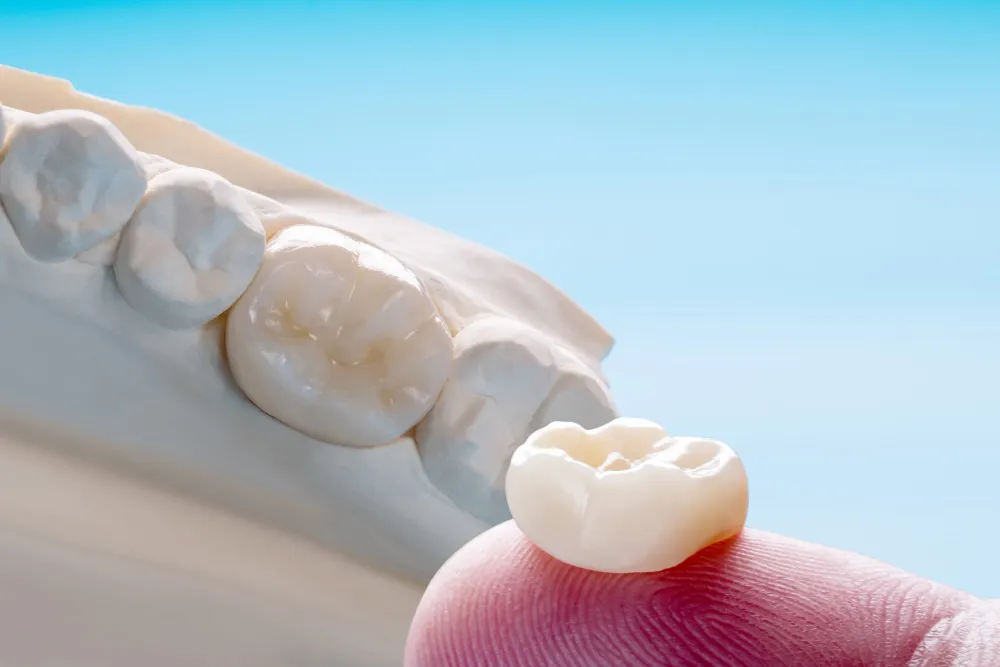
Restore Strength and Beauty with Custom Dental Crowns
Protect and enhance your smile with high-quality dental crowns tailored to your needs. Dental crowns are ideal for restoring damaged, decayed, or weakened teeth, offering both strength and a natural appearance. Whether you're recovering from a root canal, covering a dental implant, or improving the look of a discolored tooth, our custom-made crowns are crafted for durability and comfort. Using the latest materials and technology, we ensure a seamless fit and a smile that looks and feels natural. Trust our expert dental team to bring back your confidence—one tooth at a time. Schedule your consultation today!
Book An Appointment
Schedule your smile makeover with just one click – book your dental appointment today!
What are Dental Crowns?
Dental crowns are prosthetic devices that cover or cap damaged, decayed, or aesthetically compromised teeth. They are designed to restore the tooth’s shape, size, strength, and appearance, providing both functional and cosmetic benefits.
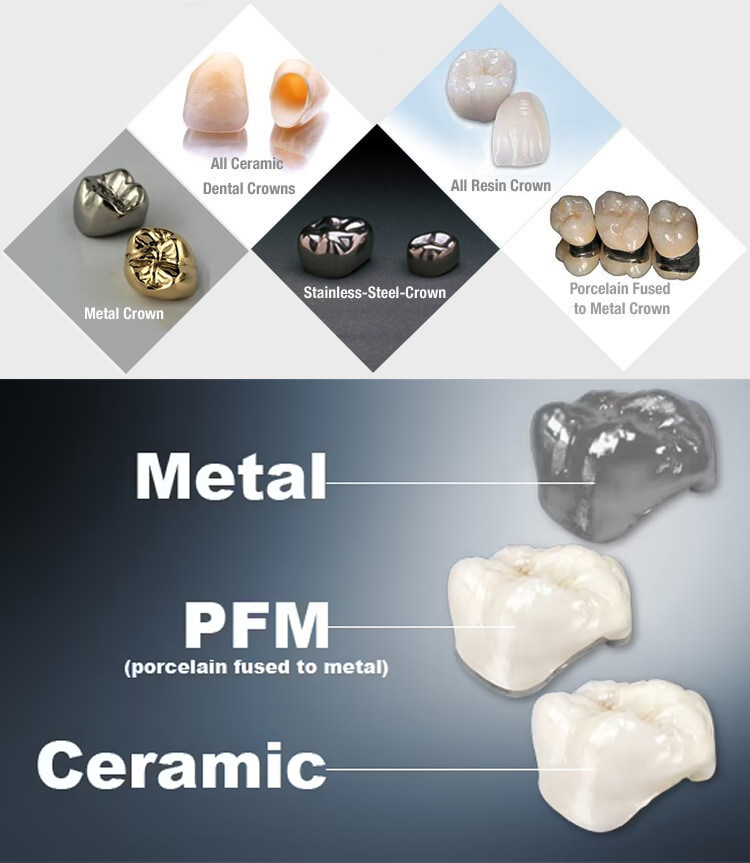
Types of Dental Crowns
- Porcelain-Fused-to-Metal (PFM) Crowns:
- Composition: Metal base (alloy) covered with porcelain.
- Strengths: Combines strength of metal with natural appearance of porcelain.
- Suitability: Versatile for both front and back teeth.
- All-Ceramic or All-Porcelain Crowns:
- Composition: Made entirely from ceramic or porcelain materials.
- Strengths: Best aesthetic results, natural translucency, and biocompatibility.
- Suitability: Ideal for front teeth and patients with metal allergies.
- Metal Crowns (Gold or Alloy):
- Composition: Made from various metal alloys (gold, palladium, etc.).
- Strengths: Exceptionally durable and suitable for heavy bite forces.
- Suitability: Typically used for back teeth; may not be as aesthetic as ceramic options.
- Composite Resin Crowns:
- Composition: Dental resin material.
- Strengths: Cost-effective and can be color-matched to natural teeth.
- Suitability: Often used as temporary crowns or for budget-conscious patients.
Benefits of Dental Crowns
- Restoration: Protects and strengthens weakened or damaged teeth.
- Aesthetics: Improves appearance by covering stains, chips, or misshapen teeth.
- Functionality: Restores biting and chewing function.
- Longevity: With proper care, crowns can last 5-15 years or more, depending on material.
Dental Crown Procedure
- Consultation and Planning:
- Examination, X-rays, and discussion of treatment options.
- Choice of crown material based on dental needs, aesthetics, and budget.
- Preparation of the Tooth:
- Local anesthesia is administered.
- The tooth is reshaped by removing a portion of its outer layer to make room for the crown.
- Impressions:
- Detailed impressions of the prepared tooth are taken to ensure the crown fits accurately.
- Temporary Crown:
- A temporary crown may be placed while the permanent crown is being fabricated in a dental laboratory.
- Placement of Permanent Crown:
- The permanent crown is placed, adjusted for fit and bite, and cemented into place.
Care and Maintenance
- Brushing and Flossing: Regular oral hygiene practices to prevent plaque buildup around the crown.
- Avoiding Hard Foods: Minimize chewing on hard objects to prevent damage.
- Regular Dental Check-ups: Ensure the crown and underlying tooth structure remain healthy.
Cost Considerations
- Varies by Material: Costs range based on the type of crown material chosen.
- Insurance Coverage: Check with your dental insurance provider for coverage details.
Dental crowns are prosthetic devices used to cover or cap damaged or decayed teeth, restoring their shape, size, strength, and appearance. Here’s an overview:
- Purpose: Crowns are primarily used to protect weak teeth from further damage, restore broken or severely worn teeth, cover dental implants, hold dental bridges in place, or improve the appearance of misshapen or discolored teeth.
- Materials: Crowns can be made from various materials:
- Porcelain-fused-to-metal (PFM): Offers strength and a natural appearance.
- All-ceramic or all-porcelain: Best for a natural look and is suitable for front teeth.
- Metal: Often used for back teeth due to its durability.
- Composite resin: Less expensive option, but not as durable.
- Procedure:
- Preparation: The dentist prepares the tooth by removing a portion of its outer layer to create space for the crown.
- Impression: An impression of the prepared tooth is taken to ensure the crown fits perfectly.
- Temporary crown: A temporary crown may be placed while the permanent crown is being made in a dental laboratory.
- Placement: Once ready, the permanent crown is placed and adjusted for fit and bite.
- Care and Maintenance: Crowns require regular brushing, flossing, and dental check-ups. Avoid chewing hard objects or using teeth to open packaging to prevent damage.
- Longevity: With proper care, crowns can last between 5 to 15 years or more, depending on the material used and oral hygiene practices.
- Cost: Costs vary based on material and location, typically ranging from a few hundred to several thousand dollars per crown.